Navigating tax regulations can feel overwhelming, especially when terms like tax audit, objection, and appeal start appearing in official correspondence. For many businesses in Indonesia, misunderstanding these processes can lead to unnecessary stress, financial risk, or even missed opportunities to defend their position.
In this article, we break down these three key tax procedures in a simple and practical way so you know exactly what to expect and how to respond.
UNDERSTANDING THE BASICS: WHY THESE PROCESSES MATTER
Indonesia’s tax system operates under a self-assessment framework. This means businesses are responsible for calculating, reporting, and paying their own taxes. However, the Directorate General of Taxes (DGT) still performs checks and balances to ensure compliance.
This is where tax audits, objections, and appeals come into play. Each step represents a different stage in resolving tax disputes and understanding the difference is crucial.
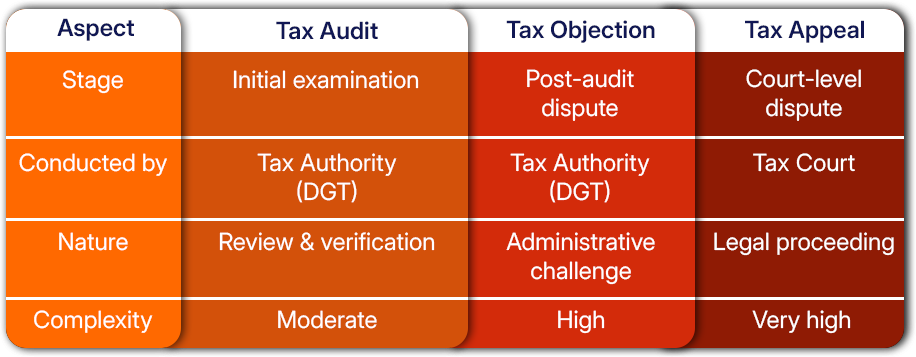
1. What is a Tax Audit?
A tax audit is an examination conducted by the tax authority to assess whether a taxpayer has fulfilled their obligations correctly.
Key points:
- Conducted by the Directorate General of Taxes (DGT)
- Can be routine or triggered by certain risk indicators
- Covers financial records, tax filings, and supporting documents
Why it matters:
- A tax audit is often the starting point. The outcome may result in:
- No findings (compliant)
- Underpayment or overpayment assessments
- Administrative sanctions
For businesses, proper documentation and readiness are essential. A well-prepared audit process can significantly reduce risk and uncertainty.
2. What is a Tax Objection?
If you disagree with the results of a tax audit, the next step is filing a tax objection.
Key points:
- Submitted to the DGT
- Must be filed within a specific timeframe (generally three months after assessment).
- Requires strong supporting arguments and documentation.
Why it matters:
An objection allows taxpayers to formally challenge the tax authority’s assessment without going to court. However, this stage is highly technical. Weak arguments or incomplete documentation can reduce the chances of success.
3. What is a Tax Appeal?
If the objection decision is still unsatisfactory, taxpayers can escalate the case to a tax appeal.
Key points:
- Filed with the Tax Court
- More formal and legal in nature
- Often involves hearings and legal representation
- Must be filled within three months after Objection result.
Why it matters:
This is the final stage of dispute resolution. At this level, the process becomes more complex, requiring strong legal reasoning and strategic defense.
KEY DIFFERENCES AT A GLANCE
COMMON CHALLENGES BUSINESSES FACE
Many companies underestimate the complexity of these processes. Some common issues include:
- Incomplete or inconsistent documentation
- Misinterpretation of tax regulations
- Missed deadlines for objections or appeals
- Lack of strategic approach during disputes
Without proper guidance, these challenges can lead to unfavourable outcomes, even when the company’s position is actually valid.
WHY PROFESSIONAL SUPPORT MAKES A DIFFERENCE
Handling tax disputes is not just about compliance, it’s about strategy, accuracy, and timing. With experienced advisors, businesses can:
- Prepare audit-ready documentation
- Build strong, evidence-based arguments
- Navigate complex regulatory frameworks
- Reduce financial and reputational risks
This is where professional tax advisory becomes a valuable investment rather than a cost.
CONCLUSION
Understanding the differences between a tax audit, objection, and appeal is essential for every business operating in Indonesia. Each stage requires a different approach, level of preparation, and expertise.
Rather than reacting under pressure, companies should take a proactive stance, ensuring they are always prepared, compliant, and strategically supported.
NEED GUIDANCE ON TAX AUDITS OR DISPUTES?
At Moores Rowland Indonesia, we know that tax matters can be complex and time-sensitive. Our experienced tax professionals are here to support you at every stage, from audit preparation to dispute resolution.
Whether you are currently undergoing a tax audit or planning to strengthen your compliance framework, we can help you navigate the process with confidence.
Get in touch with our team today to discuss how we can support your business with tailored tax advisory solutions.